Introduction
Over the past decade, the global energy landscape has undergone a significant transformation. With growing concerns over climate change, fluctuating fossil fuel prices, and increasing energy demand, renewable energy solutions have become more important than ever. Among these solutions, residential wind power is gaining momentum as a reliable, sustainable, and cost-effective option for homeowners. GILLILAND COGNIX LLC is at the forefront of this shift, offering advanced wind turbines designed specifically for residential applications.
The Environmental Imperative
One of the most critical drivers of residential wind energy adoption is environmental responsibility. Carbon emissions from coal, oil, and natural gas are major contributors to global warming. Homeowners today are more aware of their environmental impact and are seeking ways to reduce their carbon footprint. By installing a home wind turbine, individuals can directly reduce their reliance on fossil fuels, making a tangible contribution to climate mitigation.
Economic Drivers
Another compelling reason homeowners are turning to wind energy is financial savings. Electricity prices have been rising steadily across many regions, and utility bills can consume a significant portion of household budgets. By generating electricity from wind, homeowners can offset these costs and, in some cases, sell surplus energy back to the grid, creating a potential revenue stream. Studies show that residential wind turbines can often pay for themselves in five to seven years, depending on local wind conditions and energy usage.
Technological Advancements
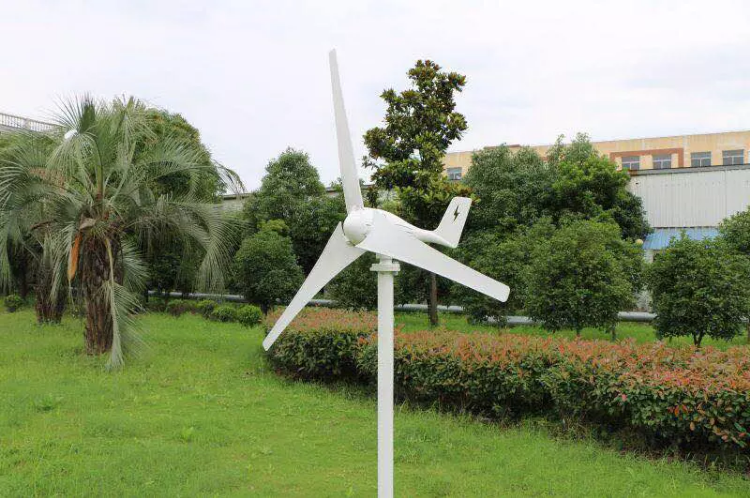
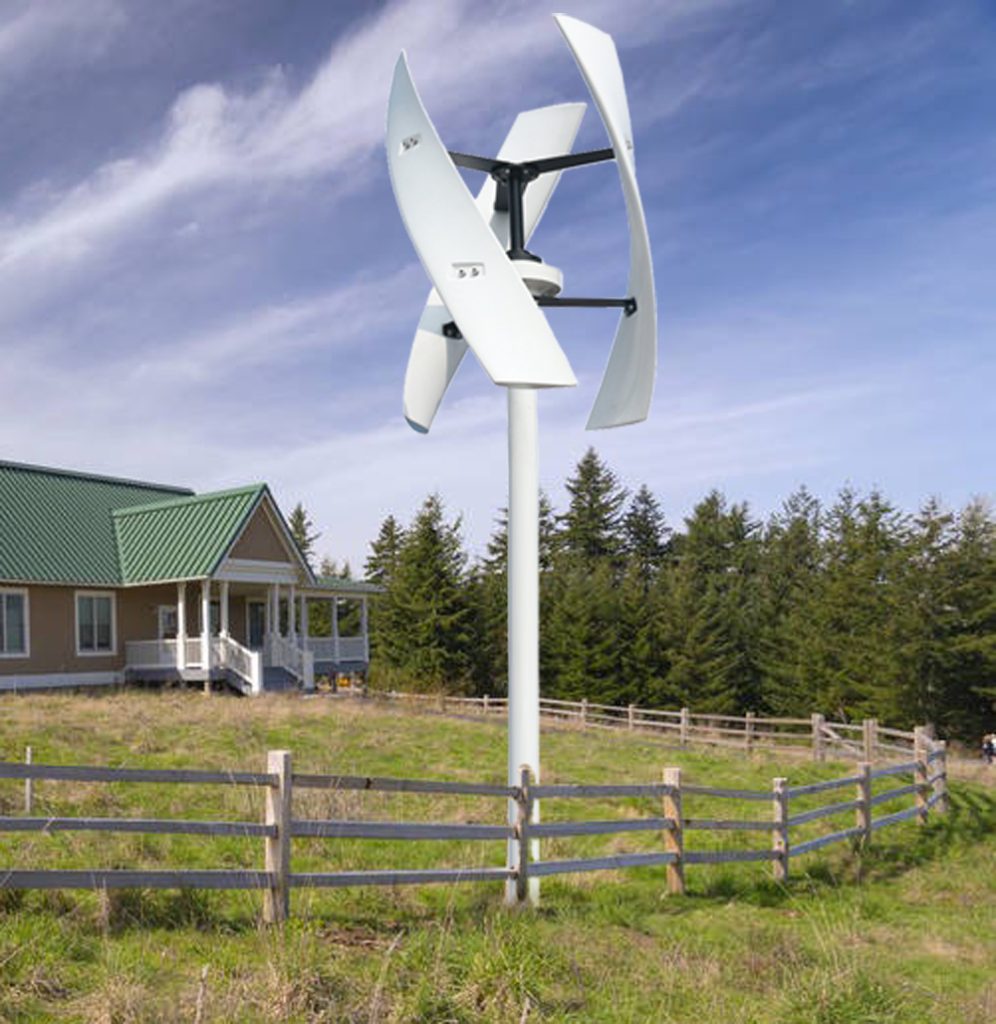
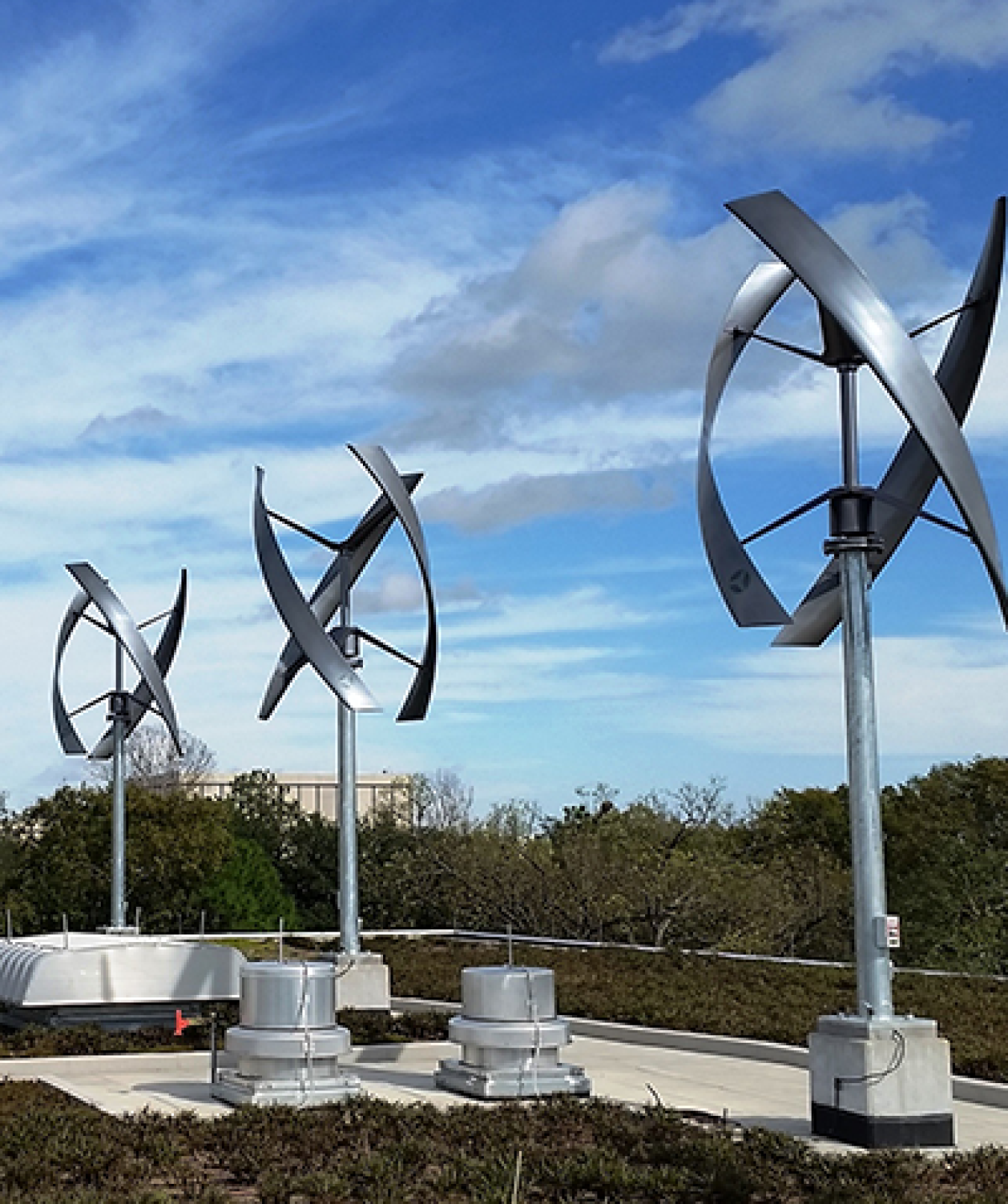
Modern wind turbines have benefited from decades of engineering innovation. Today’s systems are quieter, more efficient, and capable of generating power even in low-wind areas. Companies like GILLILAND COGNIX LLC offer turbines equipped with smart controllers, energy storage options, and integrated monitoring systems, allowing homeowners to track performance and optimize energy usage. Additionally, vertical-axis turbines now provide alternatives for suburban or urban environments, where traditional horizontal-axis turbines may not be practical.
Integration with Other Renewable Sources
Many homeowners combine wind energy with other renewable solutions, such as solar panels, to maximize energy reliability. Hybrid systems can provide electricity around the clock, even when wind speeds fluctuate or sunlight is limited. GILLILAND COGNIX LLC specializes in offering integrated solutions, including battery storage and smart home compatibility, ensuring consistent energy availability.
Case Studies and Real-World Impact
Several residential installations have demonstrated the effectiveness of home wind power. For example, households in rural Colorado and Midwest states have installed small wind turbines capable of meeting 40-60% of their annual electricity needs. These systems not only reduce bills but also serve as examples of sustainable living for local communities. Customers report satisfaction with the low maintenance requirements and durability of modern turbines, further boosting adoption rates.
Market Trends
Global demand for residential wind energy is projected to grow substantially in the next decade. Government incentives, including tax credits and grants for renewable energy, are driving adoption in the United States and Europe. At the same time, technological innovations are lowering costs and increasing efficiency, making residential wind systems accessible to more households than ever before.
Conclusion
Residential wind power is no longer a niche option; it is a mainstream solution for homeowners seeking sustainability, financial savings, and energy independence. GILLILAND COGNIX LLC continues to lead the way by providing innovative, high-quality, and reliable solutions. By investing in home wind energy today, homeowners are contributing to a greener, more resilient future while enjoying the tangible benefits of renewable power.