Introduction
As the push for clean energy accelerates, many homeowners are curious about how wind energy systems actually function. Understanding the mechanics, technology, and practical considerations of home wind turbines can help homeowners make informed decisions about integrating renewable energy into their homes. GILLILAND COGNIX LLC provides not only high-quality turbines but also expert guidance to ensure successful installations.
Basic Principles of Wind Energy
Wind energy is derived from the kinetic energy of moving air. When the wind flows over turbine blades, it causes them to spin, converting kinetic energy into mechanical energy. This mechanical energy is then transformed into electrical energy by a generator. The electricity produced can power household appliances, charge batteries, or feed into the electrical grid.
Types of Residential Wind Turbines
Residential turbines generally fall into two categories:
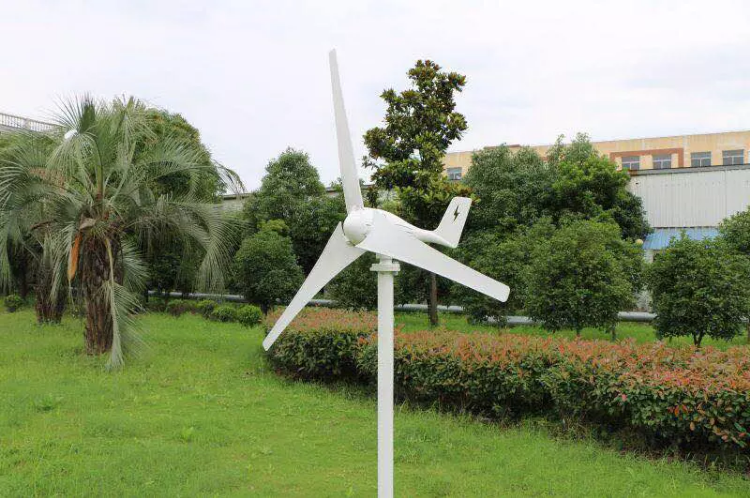
- Horizontal-Axis Wind Turbines (HAWTs): These are the most common type and resemble traditional large-scale wind turbines. They are mounted on towers to capture higher-altitude winds and are highly efficient in areas with steady wind flow.
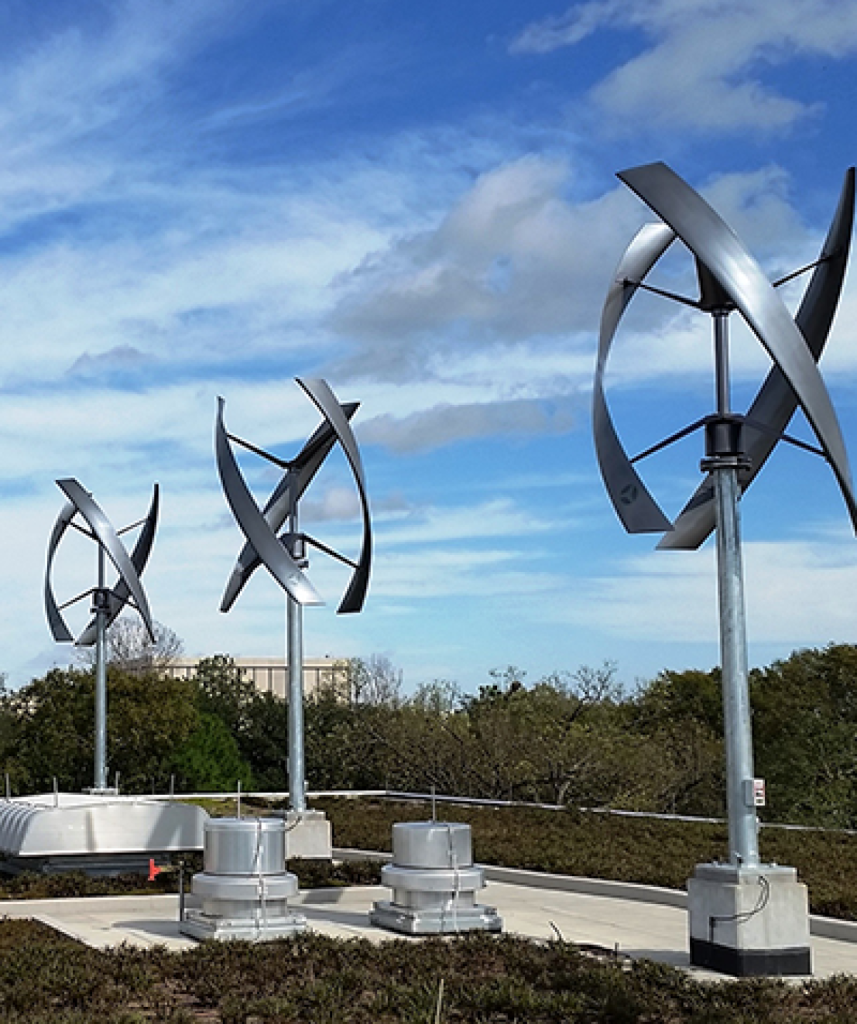
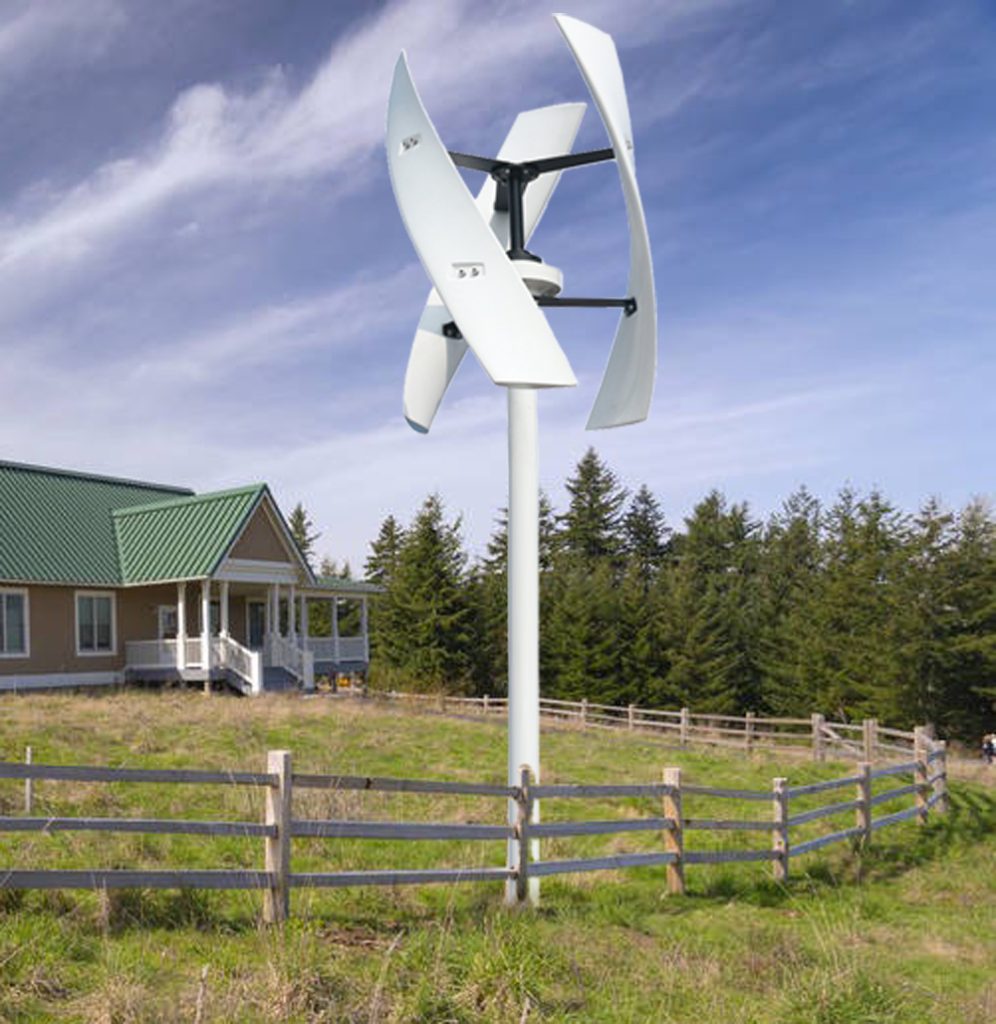
- Vertical-Axis Wind Turbines (VAWTs): These turbines have blades that rotate around a vertical axis. VAWTs can operate efficiently in turbulent wind conditions, making them suitable for urban or suburban areas with variable wind patterns.
System Components
A typical residential wind system consists of the following components:
- Turbine blades: Capture wind energy.
- Rotor and shaft: Convert blade rotation into mechanical energy.
- Generator: Converts mechanical energy into electricity.
- Controller: Regulates power output and protects the system during extreme conditions.
- Inverter: Converts DC electricity from the turbine into AC electricity for home use.
- Battery storage: Stores excess energy for later use, providing backup power.
Installation Considerations
Proper placement is critical for maximum efficiency. Turbines should be located in areas with unobstructed wind flow, such as open fields, rooftops, or elevated towers. The height of the tower, local wind patterns, and nearby structures all affect performance. GILLILAND COGNIX LLC offers professional site assessments to ensure optimal turbine placement.
Hybrid Energy Systems
Combining wind turbines with solar panels creates a hybrid system that ensures consistent energy supply. Hybrid systems can balance production, storing energy when production exceeds consumption and providing power when one source is less productive.
Maintenance and Longevity
Modern turbines are designed for durability and require minimal maintenance. Routine checks involve inspecting blades, tightening bolts, and monitoring system performance. Properly maintained, a residential turbine can last 20+ years, offering long-term energy reliability.
Case Studies and Practical Insights
Residential customers report a significant reduction in electricity bills and high satisfaction with the autonomy provided by their systems. Many also highlight the environmental benefits and the sense of contributing positively to sustainable energy initiatives.
Conclusion
Home wind turbines are a sophisticated yet accessible technology that empowers homeowners to generate their own renewable energy. By understanding the components, installation considerations, and potential benefits, homeowners can make informed decisions. With support from GILLILAND COGNIX LLC, transitioning to wind energy is straightforward, practical, and impactful.